In today's digital age, PDF editing has become an essential part of our daily workflow, allowing us to modify, annotate, and share important documents with ease. However, as the convenience of online PDF editing grows, so does the potential for security risks. With a myriad of tools available at our fingertips, users often overlook the common security pitfalls that can compromise sensitive information. This article aims to equip you with essential tips for navigating the online PDF landscape safely and securely. Imagine working on a critical business proposal or personal document, only to discover that your private information has been exposed due to lax security measures.
Such scenarios are all too common in the realm of online editing, where untrustworthy platforms can lead to data breaches and unauthorized access. The key to avoiding these pitfalls lies in understanding the best practices for secure PDF editing.In this guide, we will delve into the vital strategies you can implement to protect your documents while utilizing online PDF editing tools. From selecting reputable services to recognizing red flags that may indicate a security threat, we will cover everything you need to know to keep your data safe. Join us as we explore how to edit PDFs online without compromising your security. As the trend of Such scenarios are all too common in the realm of online editing, where untrustworthy platforms can lead to data breaches and unauthorized access. The key to avoiding these pitfalls lies in understanding the best practices for secure PDF editing. In this guide, we will delve into the vital strategies you can implement to protect your documents while utilizing online PDF editing tools. From selecting reputable services to recognizing red flags that may indicate a security threat, we will cover everything you need to know to keep your data safe. Join us as we explore how to edit PDFs online without compromising your security. As the trend of online PDF editing continues to grow, many users are drawn to the convenience it provides.
They can easily merge, split, annotate, and fill forms without the need for specialized software. However, this convenience comes with significant risks that users often overlook. Understanding the common security pitfalls associated with online PDF editing is crucial for safeguarding sensitive information. One of the most pressing issues is the threat of data breaches. Many online PDF editing services may not have adequate security measures in place to protect user data.
When users upload their documents, they might unwittingly expose themselves to unauthorized access. For instance, there have been incidents where users' PDFs were left unprotected on servers, leading to exposure of personal information. This highlights the importance of being cautious about where and how you edit your PDFs. Another major concern is the use of unsecured connections. Users often overlook the significance of a secure connection when editing files online.
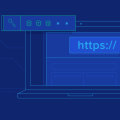
If a website does not use HTTPS, any data transferred is vulnerable to interception by malicious actors. This means that any sensitive information contained within the PDF can be easily accessed by third parties. There have been reported cases where users' documents were intercepted during transmission, resulting in identity theft and financial loss. Furthermore, utilizing untrustworthy websites can lead to severe consequences. Some online PDF editors may appear legitimate but could be fronts for phishing scams or data harvesting operations.
Users must be vigilant and conduct research on the reliability of a service before uploading any documents. There have been cases where unsuspecting users uploaded sensitive information to fraudulent sites, only to find their data misused shortly after. The risks associated with these security pitfalls can lead to unauthorized access or loss of sensitive information, which can have dire implications for both individuals and businesses. It is essential for users to adopt best practices when engaging with online PDF editing tools. One fundamental step is to always check for HTTPS in URLs before uploading any document.
This simple action ensures that the connection is secure and minimizes the risk of interception. Additionally, using reputable services is paramount. Stick to well-known platforms with positive user reviews and established track records in security. Reading privacy policies can also provide insights into how a service handles user data and whether it implements necessary security measures. A prudent approach is to avoid uploading sensitive documents to unknown platforms altogether. If a PDF contains confidential information such as financial details or personal identification numbers, consider alternative methods for editing.
While online tools are convenient, they may not always be the safest option for sensitive files. For those who prefer online editing but want an extra layer of protection, utilizing features like password protection and encryption for PDFs can significantly enhance security. Password protection restricts access to authorized users only, while encryption adds a layer of complexity that makes it difficult for unauthorized individuals to decipher the content even if they gain access to the file. If heightened security is a priority, consider using offline tools for PDF editing. Software applications installed directly on your computer eliminate reliance on internet connections and reduce exposure to potential threats from online services. These offline tools allow for safe editing without compromising sensitive information. In conclusion, as users embrace the ease of online PDF editing, it is crucial that they remain vigilant about potential security pitfalls.
By understanding risks such as data breaches, unsecured connections, and untrustworthy websites, and by implementing best practices—such as checking HTTPS protocols, using reputable services, reading privacy policies, avoiding sensitive uploads, employing password protection and encryption, and considering offline alternatives—users can enjoy secure PDF editing while protecting their valuable information.
Recognizing Security Risks in Online PDF Editing
As the popularity of online PDF editing continues to rise, it is crucial for users to understand the security risks associated with these services. One of the most significant threats is data interception, where unauthorized individuals can access sensitive information during the upload or download process. Users should always check for secure connections, indicated by HTTPS in the website URL, to mitigate this risk. Another common threat is malware distribution. Some online PDF editing tools may host malicious software that can infect a user's device.To identify reputable services, users should look for reviews and recommendations from trusted sources, ensuring that the platform has a history of safe operations. Additionally, phishing attacks are a concern. Users may encounter fake PDF editing websites designed to steal personal information. To avoid falling victim to these scams, it is essential to verify the authenticity of the site before providing any personal details. Finally, data storage issues arise when online services retain user files on their servers. This raises concerns about how long files are stored and who has access to them.
Users should inquire about the platform’s data retention policies and consider using services that offer file deletion after processing. By being aware of these security threats, users can take proactive measures to protect their information while enjoying the convenience of online PDF editing.
Recommended Tools for Secure PDF Editing
When it comes to secure PDF editing online, selecting the right tools is crucial. Here are some reliable options that prioritize user security and privacy:1.Adobe Acrobat Online: Adobe is a trusted name in PDF management. Their online tool offers features such as merging, splitting, and annotating PDFs. They use strong encryption protocols to ensure that your documents remain private and secure.2.Smallpdf
: This user-friendly platform allows for various PDF editing tasks including compressing and converting PDFs.Smallpdf employs SSL encryption to protect your files during upload and processing, and they also provide a straightforward privacy policy outlining their commitment to user data protection.
3.PDFescape
: PDFescape offers free online editing with features like form filling and annotation. The tool does not require downloads, which reduces the risk of malware. They also ensure secure sessions through HTTPS.4.Sejda PDF Editor
: Sejda focuses on maintaining user confidentiality. It enables users to edit, sign, and fill out forms while ensuring that files are deleted from their servers after a few hours, minimizing exposure to potential threats.5.DocHub
: This versatile editor allows users to sign and edit PDFs seamlessly.DocHub prioritizes security with features like encrypted file transfers and storage, ensuring that sensitive information remains confidential. Choosing any of these tools can enhance your PDF editing experience while keeping your data safe from common security pitfalls associated with online services.
Best Practices for Safe PDF Editing
As the convenience of online PDF editing continues to attract users, it is essential to prioritize security to protect your documents. Here are some actionable steps you can take to ensure a secure editing environment:1.Choose Reputable Services: Before using any online PDF editor, research and select well-known services with positive user reviews. Look for platforms that prioritize security and have clear privacy policies.2.Use Encrypted Connections:
Always ensure that the website uses HTTPS, which indicates that your connection is encrypted. This helps protect your documents from being intercepted during transmission.3.Avoid Uploading Sensitive Information:
If possible, refrain from uploading documents that contain sensitive personal or financial information.Instead, consider editing files that do not pose a risk to your privacy.
4.Check for Data Retention Policies:
Verify if the online service retains your files after editing. Opt for services that automatically delete your files after a certain period or provide a clear option to remove them.5.Utilize Password Protection:
If the PDF editor allows it, use password protection for sensitive documents before uploading them. This adds an extra layer of security in case of unauthorized access.6.Keep Software Updated:
Ensure that your device’s operating system and antivirus software are up-to-date. This helps protect against vulnerabilities that could be exploited while you’re online.7.Use Temporary Files:
If the PDF editor allows, work on a temporary file that can be deleted after you complete your edits.This minimizes the risk of leaving behind sensitive information.
8.Be Wary of Free Services:
While free online PDF editors are tempting, they often come with risks, such as data mining or less stringent security measures. Consider investing in a reputable paid service for better protection. By following these best practices, you can significantly reduce the risks associated with editing PDFs online, ensuring a safer experience while enjoying the benefits of digital document management.Summarizing
the importance of being vigilant about security while editing PDFs online is crucial in today’s digital landscape. As we have explored, the convenience of online PDF editing comes with inherent risks that can compromise both privacy and security. Therefore, it is essential to implement the best practices discussed throughout this article. Encourage readers to choose reputable tools that prioritize user safety.By doing so, users can protect their sensitive documents from potential threats. Reinforce the idea that with proper precautions in place, individuals can enjoy the convenience of online editing without compromising their privacy.